
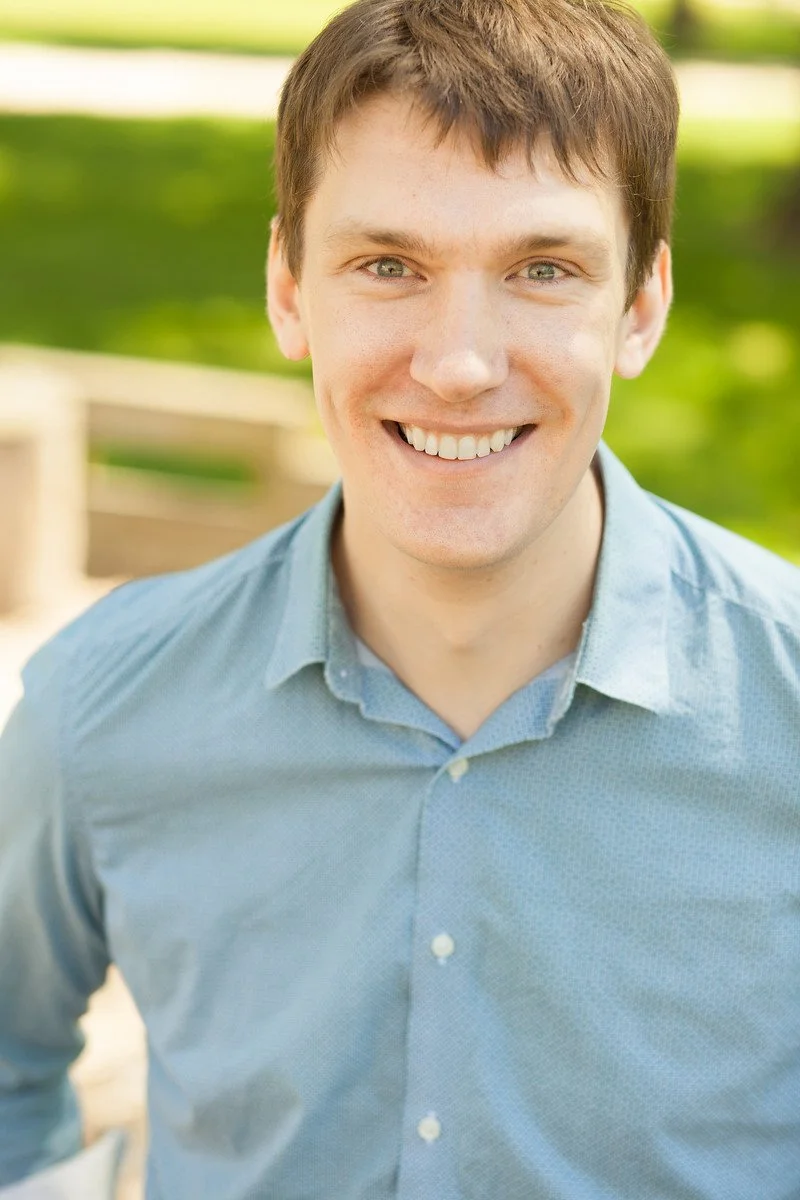
Hi, I’m Ian Campbell
I first discovered partimenti in 2013 when I travelled to France to study with musicians in the lineage of the legendary pedagogue Nadia Boulanger. Encountering partimenti was a turning point for me.
I’m a composer, pianist, conductor, and teacher, and I’ll be your guide as you explore partimenti.
Partimenti reshaped how my fingers interact with the keyboard, how my mind understands musical structure, and perhaps most profoundly, how I listen — both to music around me and to the music I imagine internally.
Since then, I’ve spent more than a decade researching, teaching, and experimenting with partimenti as both a historical practice and a living creative tool. I teach partimenti privately and founded the Partimenti Workshop, an ongoing studio where musicians develop creative fluency at the keyboard by working with the bass patterns, rules, and improvisational practices that shaped the classical tradition.
My teaching focuses on what I sometimes call partimenti thinking: a way of hearing patterns, understanding harmony from the inside out, and developing fluency so that composing, improvising, performing, and analyzing become interconnected rather than separate skills. This approach places listening first — sound before sight — and treats notation as a tool for preserving musical ideas rather than the starting point of musical understanding.
Alongside the Partimenti Workshop, I’m developing resources such as the Inventing Music at the Keyboard book series, designed to help students build creative musicianship early through scales, intervals, listening, improvisation, and composition. My broader goal is to help musicians reconnect with the historical tradition of improvising composers while making those tools practical for today’s musical lives.
Many of the blog posts on this site grow out of my own musical journey, here are a few articles that give a good introduction to me and the ideas behind the Partimenti Workshop.
Many great classical composers improvised, composed, and understood music as a living language. This post explores how partimenti can reconnect modern musicians with that fluency, bridging theory, repertoire, improvisation, and creative practice.