
Thinking Music
Notes on partimenti, musical creativity, improvisation, and learning to think in music.
These essays explore historical traditions of musical training, practical tools for improvisation and composition, and reflections on how musicians learn to create.
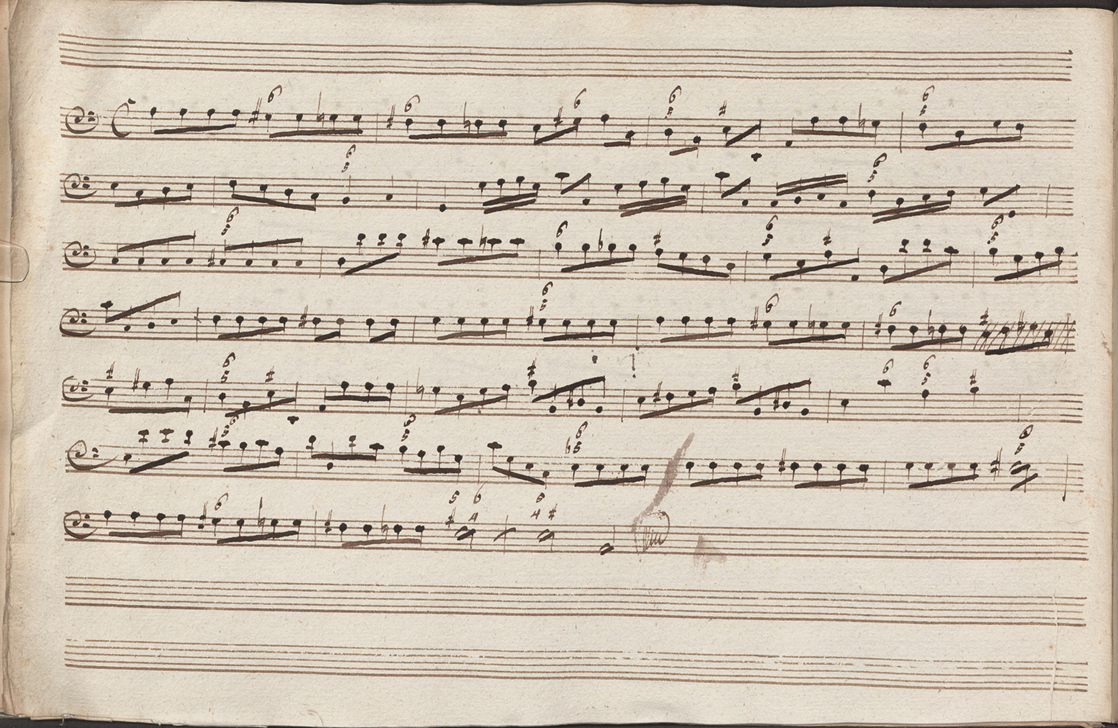
COMING SOON! Forever-Free Workshop: Introduction to Partimenti
Many musicians who discover partimenti feel the same thing: curiosity, followed by confusion. Because partimenti was historically taught as an oral tradition, the earliest steps were rarely written down. This post explores why that gap exists and introduces a new, forever-free workshop designed to rebuild those missing first steps.
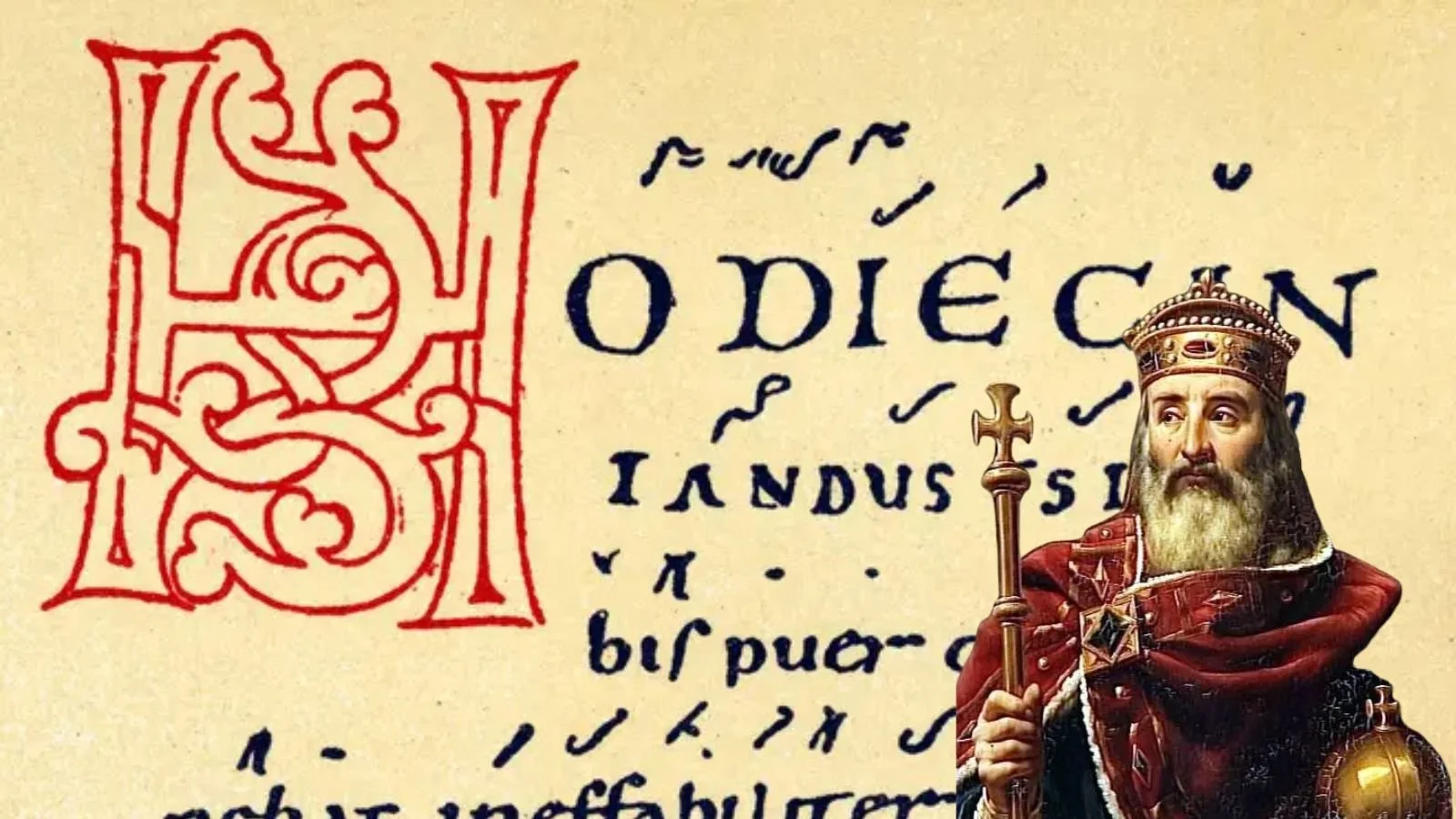
A Music Lesson from Charlemagne, King of the Franks
Music notation feels fundamental to how we learn and preserve music today, but it began as a practical solution to a specific historical problem. Looking back to Charlemagne’s empire and the early development of notation reminds us of an important musical truth: sound comes first, understanding follows, and notation serves memory — not the other way around.
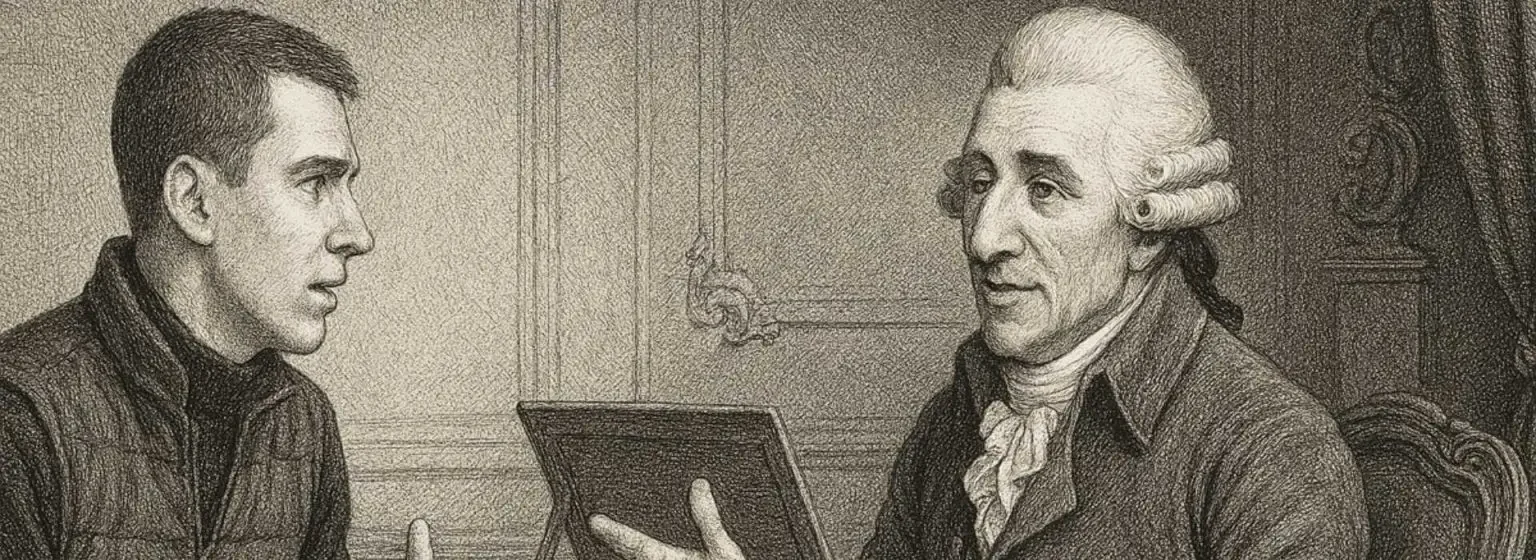
Dear Herr Haydn
Imagining a correspondence with Joseph Haydn reveals how partimenti training shaped historical composers — and raises timely questions about listening, creativity, and musical fluency in today’s fast-moving musical world.

Once upon a time, in the Kingdom of Naples
Partimenti began in the conservatories of Naples as a playful, listening-based approach to learning harmony, improvisation, and composition. Rediscovered today, this tradition offers powerful insights into musical fluency, creativity, and how musicians have historically learned to speak the language of music.
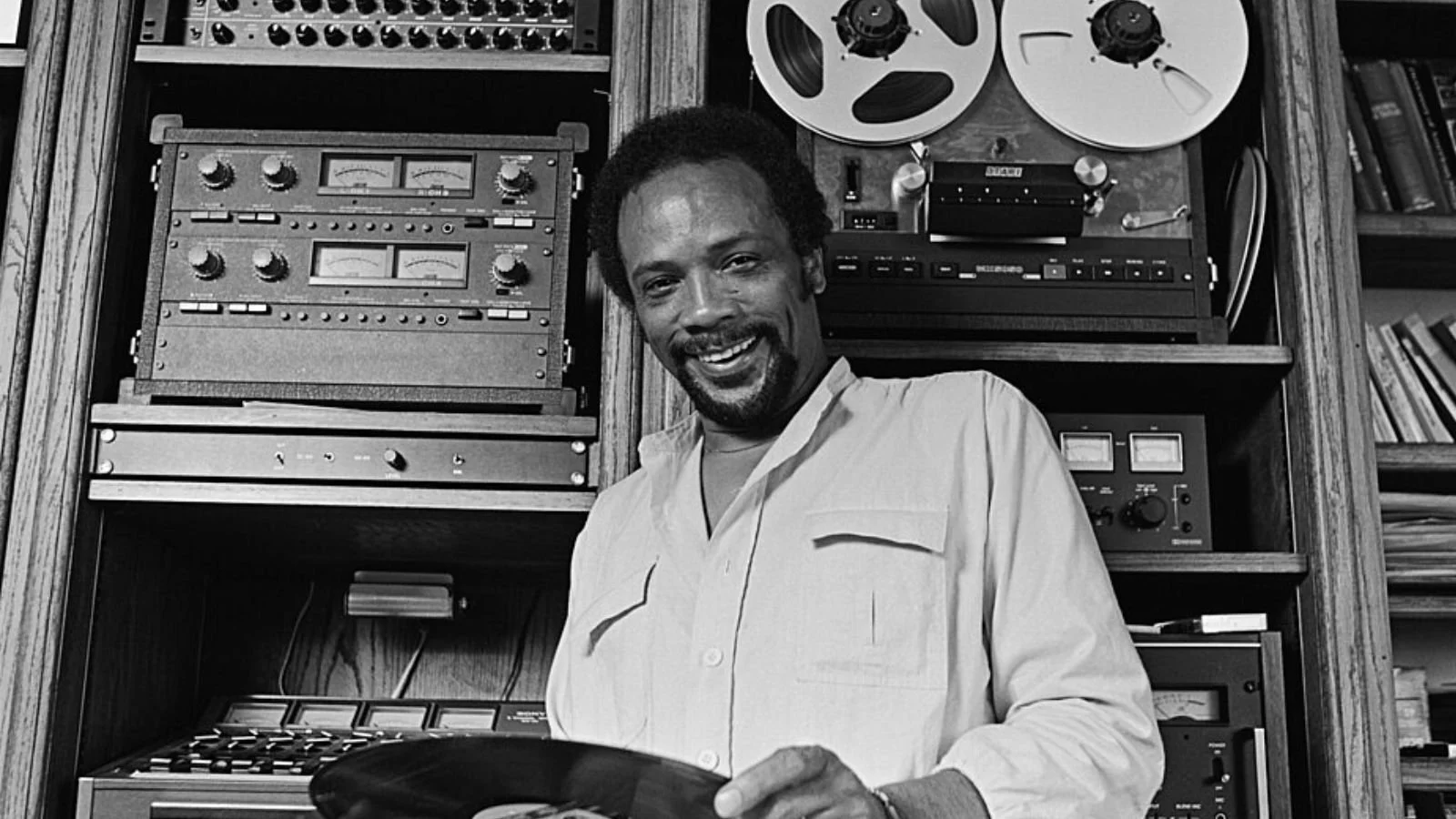
Quincy Jones (1933-2024)
Quincy Jones’ extraordinary career spanned jazz, film scoring, popular music, and orchestral arranging — and included study with Nadia Boulanger, connecting him to the partimenti tradition. This post reflects on his legacy, musical versatility, and why his training still resonates today.