
Thinking Music
Notes on partimenti, musical creativity, improvisation, and learning to think in music.
These essays explore historical traditions of musical training, practical tools for improvisation and composition, and reflections on how musicians learn to create.

Musical Fluency Isn’t Magic. It’s Learned.
Art Tatum, Beethoven, and Mozart are remembered not only for what they played or composed, but for how fluently they could think in music. They could take an idea, understand it instantly, and transform it into something new. That kind of creativity can look like magic from the outside, but it is learned through patterns, vocabulary, and practice. This is the deeper promise of partimenti: musical fluency.
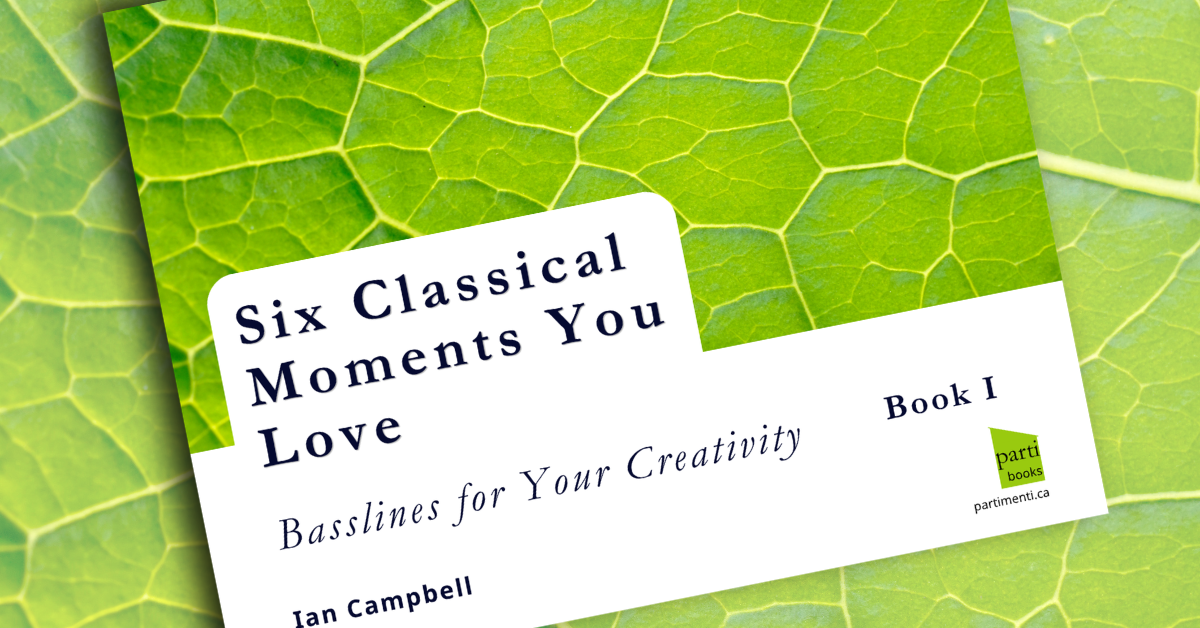
Six Classical Moments You Love: Basslines for Your Creativity
What if you could take moments from classical music you love and turn them into material for your own creativity? In Six Classical Moments You Love, I’ve taken six listener-suggested passages and reduced them to basslines you can explore, improvise on, and develop. Inspired by the tradition of partimenti—and by collections like those of Padre Martini—this free resource invites you to engage directly with the harmonic foundations of great music.