
Thinking Music
Notes on partimenti, musical creativity, improvisation, and learning to think in music.
These essays explore historical traditions of musical training, practical tools for improvisation and composition, and reflections on how musicians learn to create.
How Tones Fit Together — Part Two: Why Partimento?
If harmony is simply how tones fit together, where does partimento fit? This essay argues that partimento’s uniqueness lies not in the harmonic language it teaches—which is familiar to anyone who has studied common-practice theory—but in how it teaches. By learning through playing, singing, improvising, and composing, musicians develop an understanding they can carry in their ears, fingers, and imagination, preparing them to engage with music far beyond the eighteenth century.

Musical Fluency Isn’t Magic. It’s Learned.
Art Tatum, Beethoven, and Mozart are remembered not only for what they played or composed, but for how fluently they could think in music. They could take an idea, understand it instantly, and transform it into something new. That kind of creativity can look like magic from the outside, but it is learned through patterns, vocabulary, and practice. This is the deeper promise of partimenti: musical fluency.
Six Classical Moments You Love: Basslines for Your Creativity
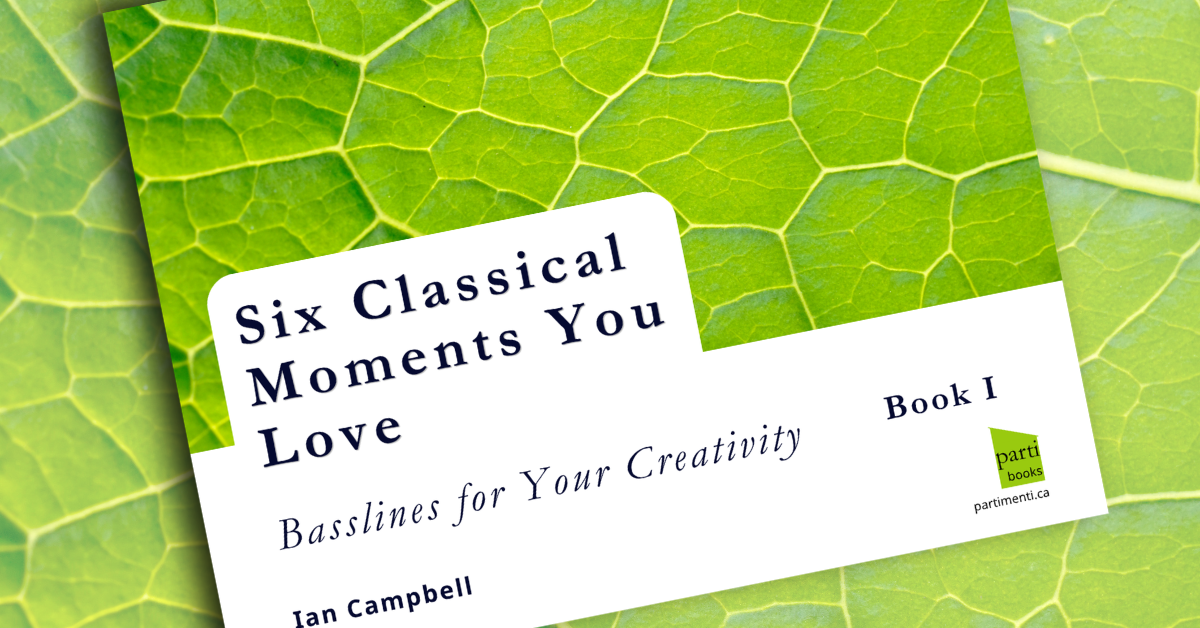
What if you could take moments from classical music you love and turn them into material for your own creativity? In Six Classical Moments You Love, I’ve taken six listener-suggested passages and reduced them to basslines you can explore, improvise on, and develop. Inspired by the tradition of partimenti—and by collections like those of Padre Martini—this free resource invites you to engage directly with the harmonic foundations of great music.
A Do-It-Yourself Canon
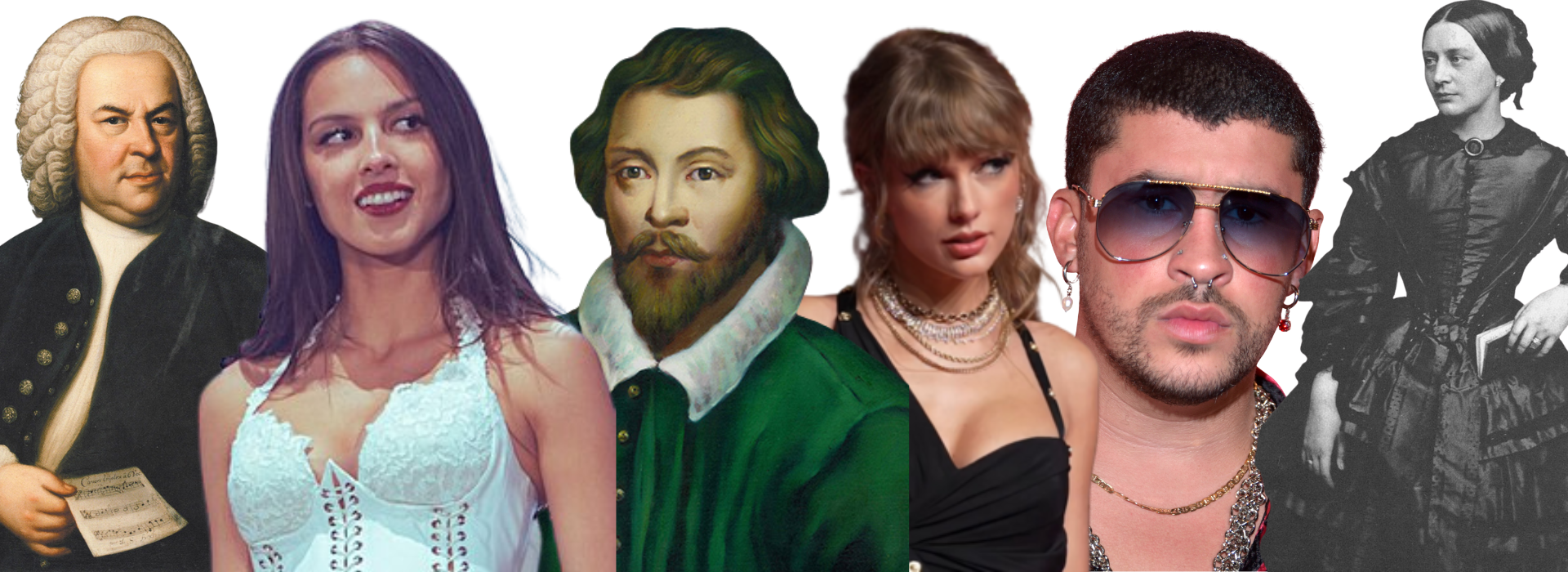
Build your own musical canon from the music that speaks to you. Instead of inheriting a fixed tradition, explore, play with, and internalize the sounds you love—from Bach to Bad Bunny. When you get inside the harmony and structure, those ideas become yours to shape, transform, and carry forward into your own music.
What is ‘Partimento?’
Partimenti can refer to several closely related things: a body of unfinished musical repertoire, a creative musical practice, a powerful teaching method, and a way of understanding harmony and musical form from the inside out. This article explores how these ideas connect and why partimenti still matters for musicians today.

Inventing Music at the Keyboard
Inventing Music at the Keyboard is a new resource designed to help beginner pianists move beyond simply playing notes toward understanding how music works from the inside out. Built around scales, intervals, listening, and creative exploration, the series aims to cultivate musical fluency, improvisation, and compositional confidence from the very beginning.
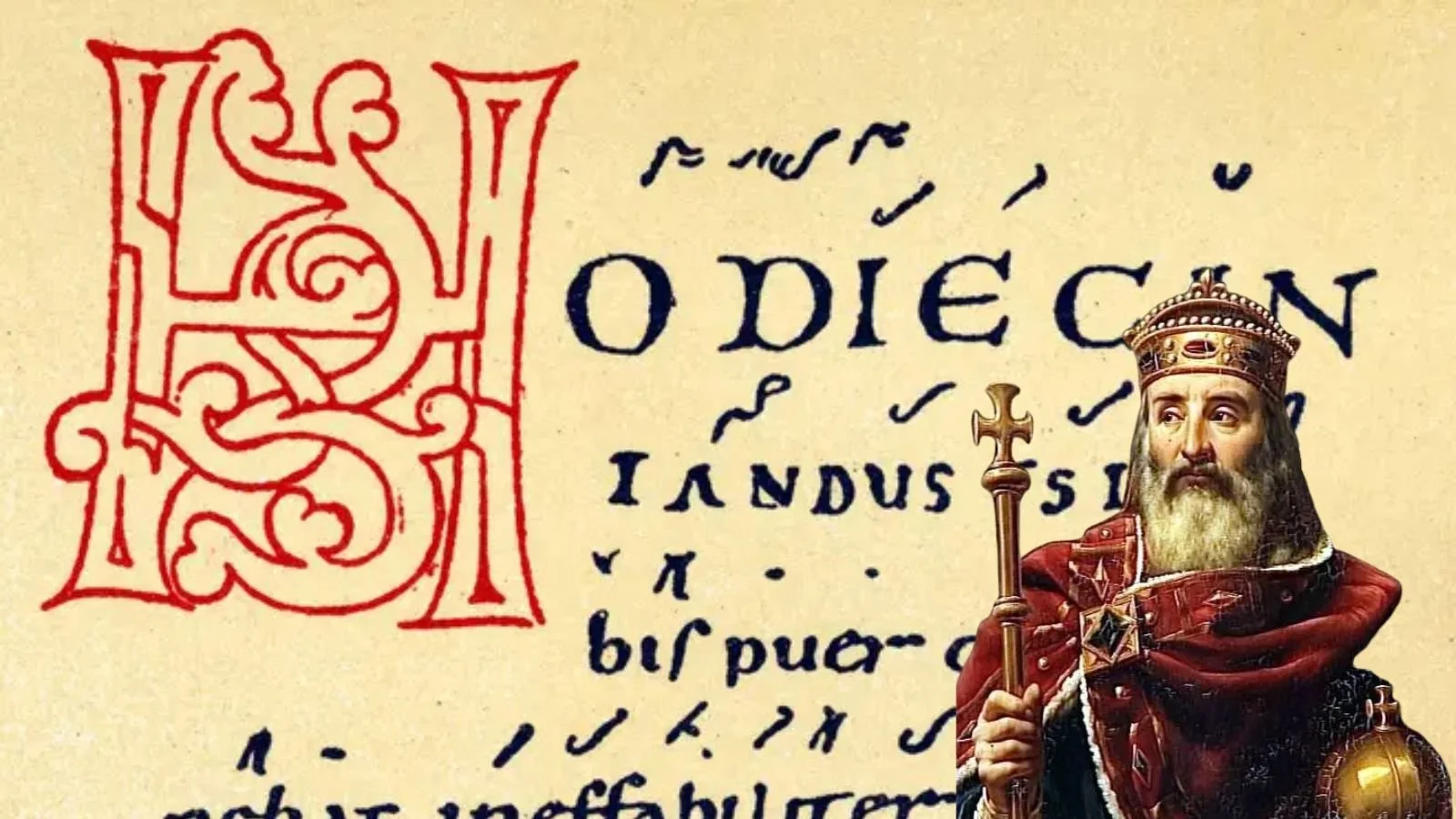
A Music Lesson from Charlemagne, King of the Franks
Music notation feels fundamental to how we learn and preserve music today, but it began as a practical solution to a specific historical problem. Looking back to Charlemagne’s empire and the early development of notation reminds us of an important musical truth: sound comes first, understanding follows, and notation serves memory — not the other way around.

Once upon a time, in the Kingdom of Naples
Partimenti began in the conservatories of Naples as a playful, listening-based approach to learning harmony, improvisation, and composition. Rediscovered today, this tradition offers powerful insights into musical fluency, creativity, and how musicians have historically learned to speak the language of music.