
Learning to think in music
The Partimenti Workshop
Unlock your creativity like the greatest composers
The free Introduction to Partimenti opens October 27.
Join the mailing list and you'll get the link the day it opens, along with a short email most weeks on musical creation, improvisation, and composition.
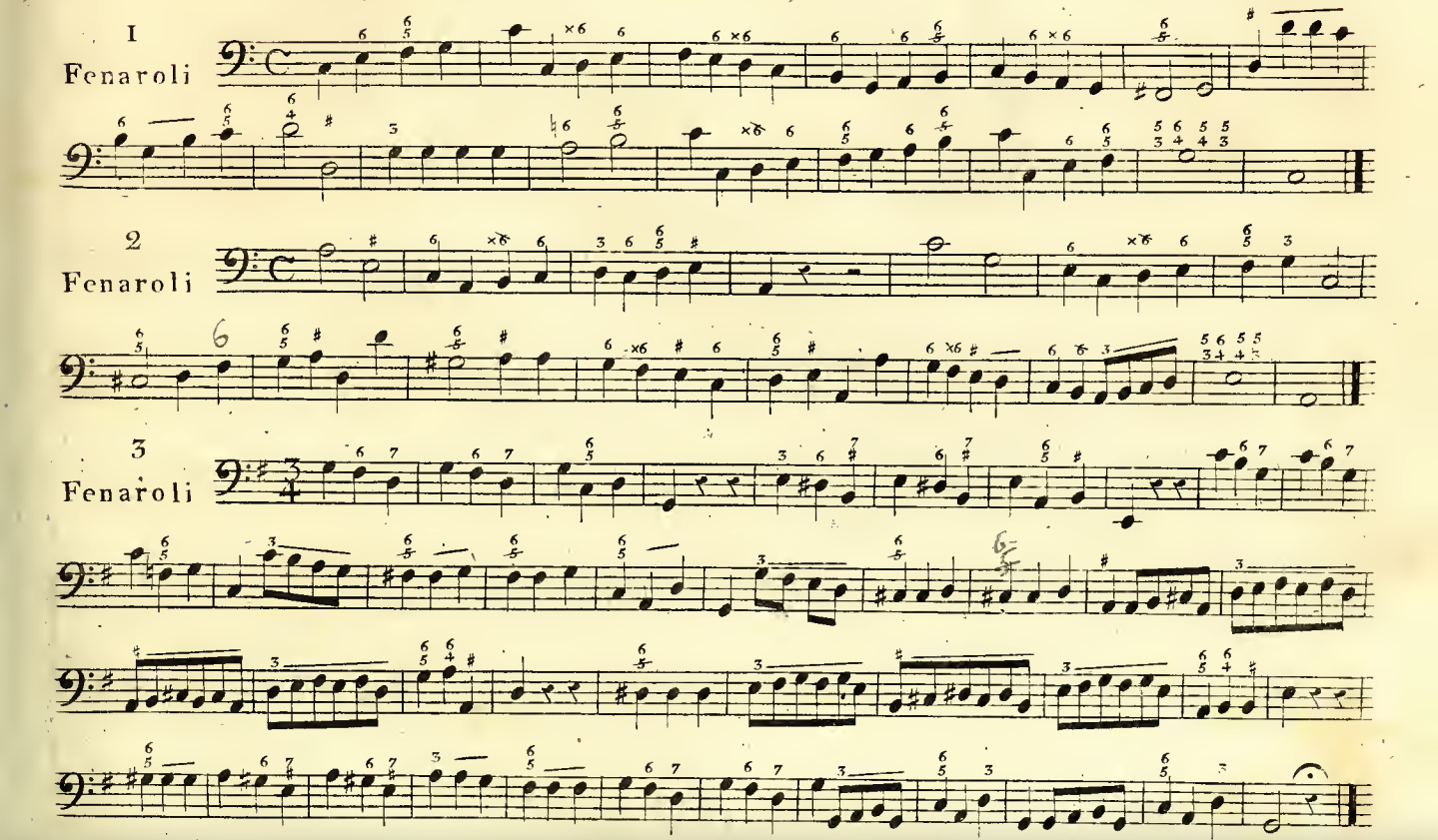
What is Partimento?
At the heart of partimento is learning music by making music. Partimenti will help you internalize musical patterns at the keyboard, with your voice, or your instrument. You’ll develop your ears, fingers, and musical thinking, understanding music through simple, practical tools. Musicians develop fluency rather with than dependence on rules.
With fluency comes freedom: imagination has room to take flight.
Partimenti can be understood in four closely related ways:
First, they are a body of purposely unfinished repertoire — often bass lines meant to be realized and expanded by the musician.
Second, they represent a musical practice: improvising, composing, and performing from those bass lines using learned harmonic and contrapuntal patterns.
Third, partimenti function historically as a teaching tool, especially in the conservatories of Naples, where students learned by listening, copying, and creating.
Finally, partimenti offer a powerful way of understanding music itself. By working from the inside — through sound, pattern, and gesture — musicians develop fluency that connects theory, repertoire, improvisation, and composition into a single living musical language.
Learn more here.
This approach shaped generations of composers across Europe and throughout the world. Many major musicians—from Baroque masters through twentieth-century musicians—studied and often taught within traditions shaped by partimento-based training.
Free Book
Six Classical Basslines You Love
In this book, you’ll find six basslines drawn from classical repertoire—suggested by curious musicians like you. Some are grounded in familiar patterns like the Rule of the Octave, cadences, and pedal points. Others move beyond those patterns into more exploratory, expressive territory.
Each bassline is an invitation:
to play,
to experiment,
and to create something of your own.
Fill out the details below, and I'll send it to you.
Learning to Think in Music
Notes on partimenti, musical creativity, improvisation, and learning to think in music.
These essays explore historical traditions of musical training, practical tools for improvisation and composition, and reflections on how musicians learn to create.





Why This Workshop Exists
This workshop exists to recover a more humane, sound-centered approach to musical learning, one that invites curiosity, creativity, and deeper musical understanding.
Historically, musicians trained differently. They learned by listening, copying their teachers, internalizing patterns, and developing those patterns at their instrument through making music.
Partimenti serves as the connective tissue between the vast canon of classical repertoire and musicians’ own creative capacities, supporting both deeper understanding of repertoire and fluent musical invention.
As an oral tradition, partimenti largely faded into the vicissitudes of change in the early part of the twentieth century.
Today, many musicians who have studied music theory still feel disconnected from musical sound. They can name chords, analyze scores, and explain forms, yet feel blocked, confused, or unsure when asked to improvise, compose, or develop musical ideas of their own. Theory explains music after the fact, but it doesn’t always teach musicians how to think musically in real time.
This workshop aims to help reconnect musical understanding with musical experience — bringing creating, understanding, and playing back together.
Who Is This For?
This workshop is for musicians who want to be creatively engaged with music at their instrument, whether through improvisation, composition, or exploratory playing.
You want to feel creatively alive at your instrument — improvising, composing, or simply exploring sound more freely.
You can read treble and bass clef and have a late-beginner to early-intermediate level at the keyboard (or your instrument), and you’re ready to go deeper.
You’re an advanced or professional musician who senses there’s more fluency available — more connection between what you know and what you hear.
You’re a pianist or keyboard player who wants practical tools for generating and shaping music at the instrument.
You’re a performer who wants to understand music more deeply, engage creatively in the learning process, and develop the ability to improvise and compose.
You’re a film or media composer looking for practical tools to generate and shape musical ideas efficiently.
You’re a music teacher who wants humane, sound-based tools for your own musicianship and for your students.
You care about repertoire, but you also want to understand it from the inside — not just analyze it after the fact.
You feel fluent in theory, yet you want to become fluent in musical sound — moving toward embodied, responsive musical thinking.
What’s Coming
A Forever-Free Introduction to Partimenti
Opens October 27, 2026
Start here. This free course is your first step into partimenti: listening, responding at your instrument, and working with simple musical patterns. You'll explore foundational partimento basses and start experimenting with the problems composers used to invent music.
It's free, and it stays free. To get the link when it opens, just join the mailing list. No signup form, no payment details.
The Partimenti Workshop
Launching January 2027
After the introduction, the full workshop opens as an ongoing creative studio.
An Ongoing Creative Studio
The Partimenti Workshop is not designed as a one-time course. It will function as an ongoing creative studio where musicians develop their skills through shared practice, guided exploration, and musical conversation with other musicians.
Members will have access to:
• A growing library of lessons and musical materials
• Guided exercises and prompts
• Live sessions where we experiment with the material together
• A community of musicians working through similar ideas to offer peer support and encouragement
• Opportunities to share recordings and receive feedback
Rather than moving through a fixed curriculum, participants will gradually develop their own creative practice over time.
Learning by Doing
At the heart of the workshop is learning by doing.
Each lesson invites musicians to experiment at their instrument. Instead of simply explaining harmonic theory, the workshop presents musical problems — bass lines, patterns, and rules — that composers historically used to generate music.
By working through these materials repeatedly and creatively, musicians begin to internalize the patterns that support harmony and counterpoint.
A Community of Musicians
Partimenti was historically learned in conservatories where musicians practiced and learned together.
The workshop will continue that spirit.
Members will be able to share experiments, recordings, and discoveries as they explore the material. Seeing how other musicians approach the same bass patterns and exercises often opens new ways of hearing and thinking.
Over time, the workshop will grow into a small network of musicians learning a shared musical language.
Live Sessions
Alongside the lesson library, the workshop will include live sessions.
These gatherings will give members the chance to work through partimenti together, hear different musical approaches, and ask questions in real time.
Live sessions help reinforce the material and keep the practice active.
A Long-Term Musical Practice
The goal is to help musicians develop a long-term practice of inventing music — drawing on historical tools while discovering their own musical voice.
Join the Mailing List
Get the link to the free Introduction on October 27, plus a short email most weeks on creating music at your instrument.
If you are curious, I’d love for you to learn more!
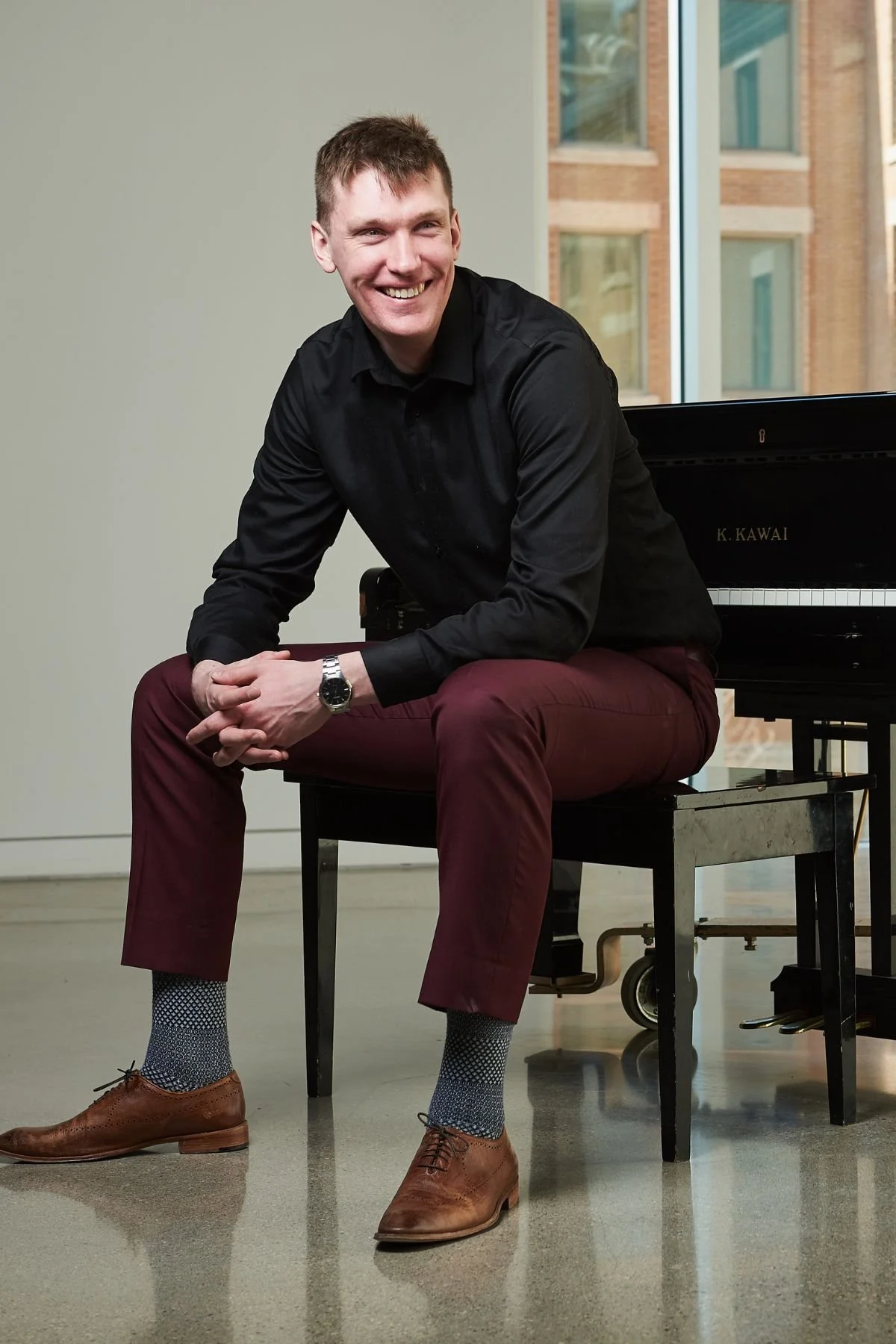
Hi! I’m Ian,
Partimenti changed how I hear, think, and create music.
I’m a composer, improviser, pianist, conductor, and teacher, and I’ll be your guide as you explore this practice.
I discovered partimenti in 2013 when I went to France to study with students of the legendary teacher Nadia Boulanger.
Working with partimenti transformed how I relate to music: how I interact with the keyboard, how I organize musical ideas, and—most profoundly—how I listen. It reshaped my ability to audiate, to hear and develop music internally as I create.
Since then, I’ve spent more than a decade studying, teaching, and researching partimenti while developing what I call partimenti thinking — learning to hear and shape music from the inside out.
I founded the Partimenti Workshop to help musicians develop these same skills and to make this way of learning music accessible again.
You can learn more about me here.
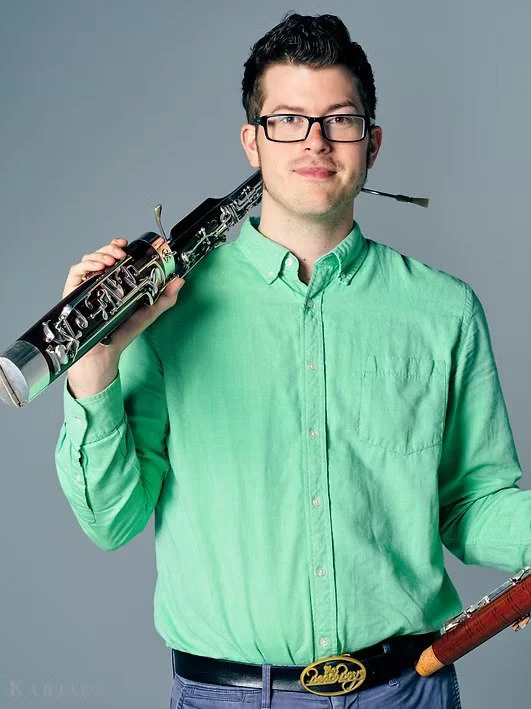
“Ian's natural instinct to unlock and reward students' creativity!”
— Eric Heidbreder
https://www.ericheidbreder.com/
bassoonist & content creator
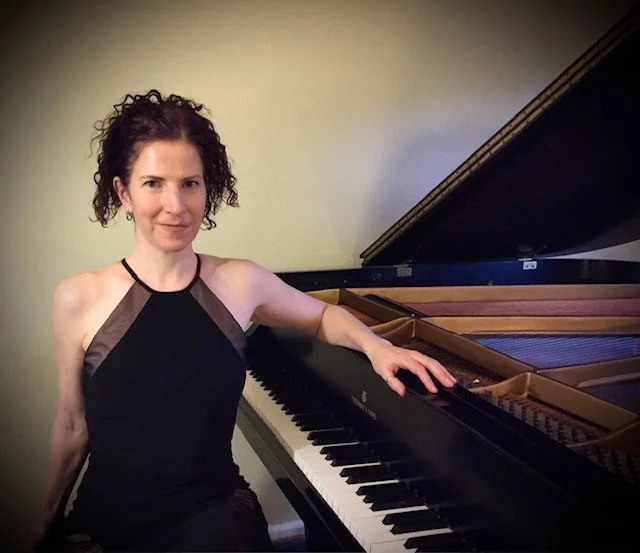
“I highly recommend Ian as a fantastic teacher with an infectious passion for partimenti. His kindness, encouragement, and expertise create a supportive learning environment from the outset. As a composer and educator committed to fostering composition and improvisation skills in my own students, I consider the study of partimenti to be a vital yet often overlooked component in music education. I’m a classically-trained pianist with some experience in jazz and Indian classical improvisation, and through my studies with Ian, I discovered that partimenti was the crucial missing piece that I was seeking in my own education journey.”
— Stacy Fahrion
https://www.whimsicallymacabre.com/
pianist & composer
Many musicians who discover partimenti feel the same thing: curiosity, followed by confusion. Because partimenti was historically taught as an oral tradition, the earliest steps were rarely written down. This post explores why that gap exists and introduces a new, forever-free workshop designed to rebuild those missing first steps.